First aid: practicing being human in difficult times
Fatemeh Zare Pirhaji, Human Resources Expert, Kerman Civil Engineering Organization
The past few months have been a difficult ordeal for our society, marked by experiences filled with worry and sadness. From the tragic events of January, which plunged many of our compatriots into sadness and bitterness, to the war that began in March and which has once again sown insecurity and anxiety, these events are not limited to news reports and statistics; each of them can leave a profound mark on the lives of individuals, families, and workplaces.
In these times when our society still lives under the shadow of difficult experiences, anxieties and hidden wounds, we must more than ever remember a simple but important truth: in times of crisis, what allows us to hold on is not just equipment and facilities, but the willingness of people to pull together.
When we think of first aid, we often picture training such as bandaging, CPR, fracture reduction, or basic first aid techniques. These are essential skills that can make all the difference in a critical situation. But my experience with first aid training has shown me that it goes far beyond learning a few techniques; it’s an art of living together.
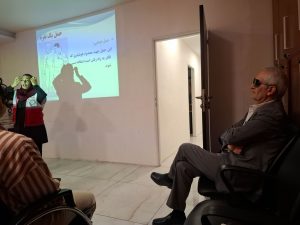
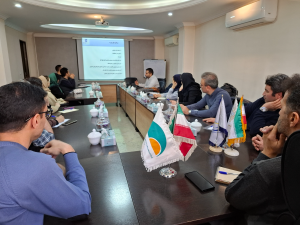
At the beginning of the course, we thought we would simply acquire a new skill, but we quickly realized it was much more than just training. Colleagues who knew each other mainly through their roles, titles, and professional responsibilities found themselves in an unprecedented situation: a situation where neither the manager nor the expert mattered, where we were all simply human beings learning to help each other through a difficult time.
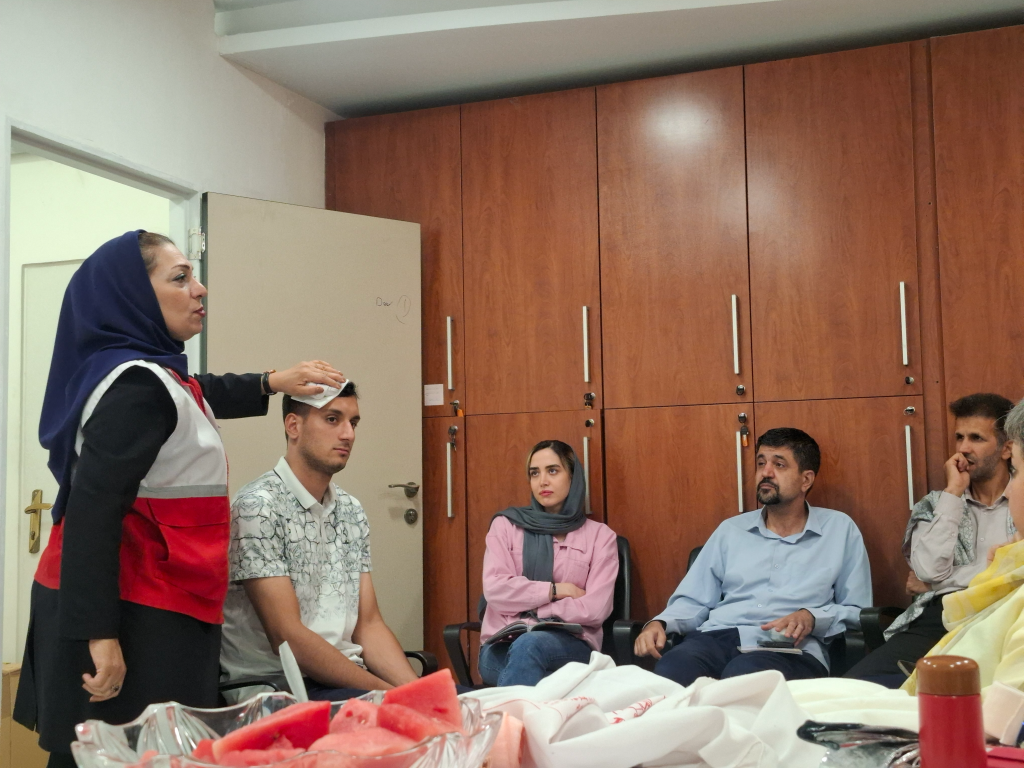
We became training partners. We held hands for taping exercises, practiced immobilization techniques together, simulated chokeholds, and learned to stay calm and make sound decisions in stressful situations. On the surface, these exercises may have seemed like just another part of training, but in reality, they represented an opportunity to rebuild trust and human connection.
At work, we generally devote a lot of time to planning, productivity, objectives, and performance indicators; but we sometimes forget that an organization, before being a set of processes, is first and foremost a set of people. People who each have their own experiences, concerns, losses, and untold stories.
The most striking moment of the training was when a colleague shared a personal experience and a lingering wound. Suddenly, the atmosphere of the course shifted. It was no longer just a training session; it was an opportunity to listen to and understand the people we work with every day, but whose profound suffering we often remain unaware of.
This experience reminded us that organizational culture is not built solely through formal directives and meetings. True culture is forged when members of an organization learn to trust, unite, and empathize with one another.
Today, social resilience needs such connections more than ever. A resilient society is not a society free from crises; it is a society where individuals are prepared to face them, recognize their responsibility towards others, and know that saving a life is not just the duty of a particular group, like rescuers; it is knowledge that every citizen should possess.
Faced with the multiple crises affecting the region and the world, whether natural disasters, insecurity, or wars, first aid training must not be relegated to the back burner or reserved for certain groups. It must be an integral part of general knowledge, just like learning communication skills and safety rules, which are essential in everyday life.
From this perspective, organizations have an important role to play. Businesses and workplaces can help foster a culture of care, responsibility, and empathy by providing first aid training for their employees, in addition to improving their practical skills. These programs are not merely an educational measure; they also represent an investment in the organization’s human capital.
In this regard, the efforts of organizations like the Red Crescent are invaluable; this institution has been working for years in the fields of education, relief, and culture, and by sharing this knowledge with the public, it plays a vital role in strengthening society’s preparedness. This course reminded us that first aid is not just about saving lives; it is also about respecting life.
Source: Sazandegi Journal